
Education for Life

A Montessori school for children ages 12 months to 15 years

Inquire

Our Mission

Community Montessori School provides authentic Montessori education

in a nature-rich environment that cultivates collaboration, curiosity, love of learning,

and respect for oneself, others and the world.

Why choose Community Montessori School?

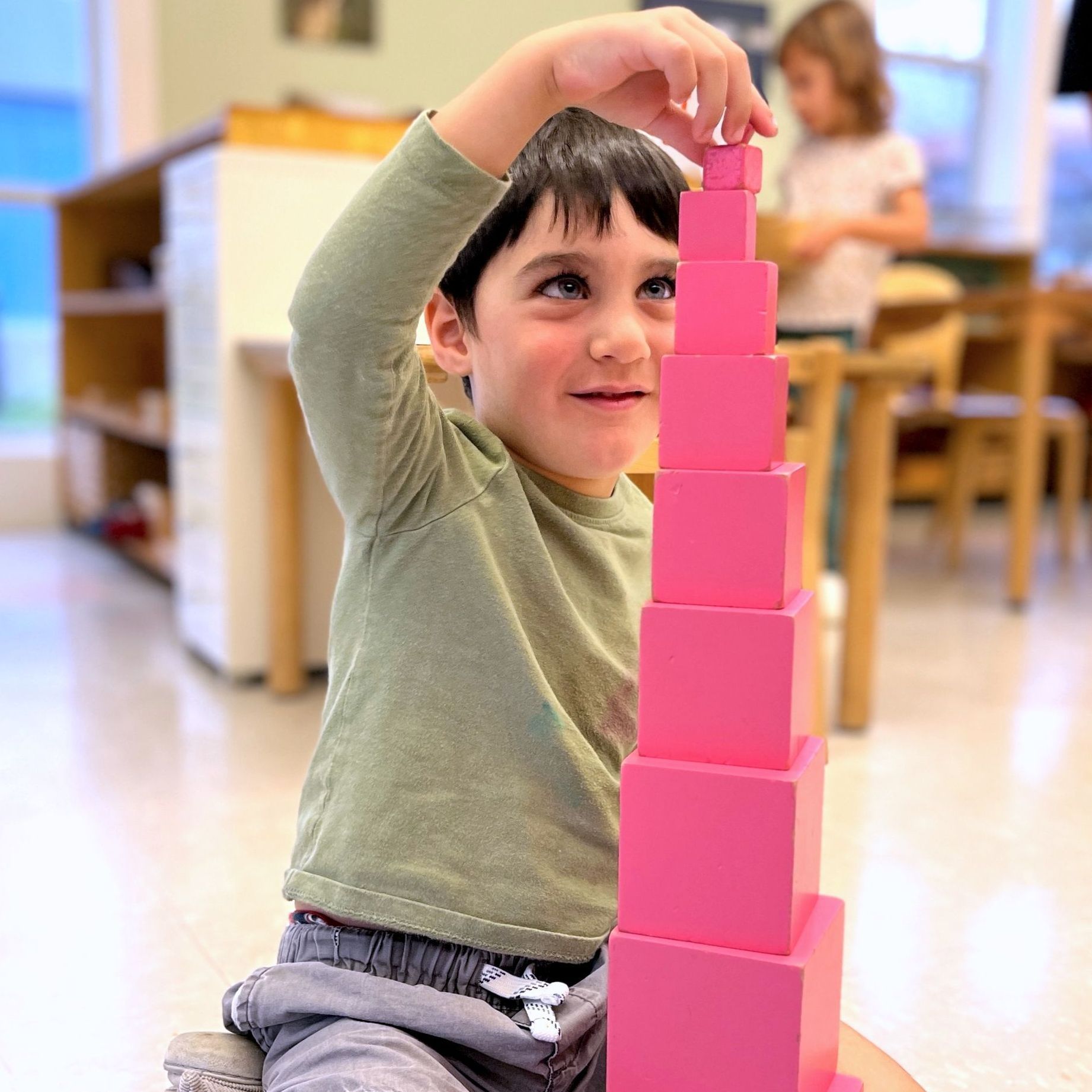
Individualized Learning


Lessons are designed and given to each child when they are most ready to learn.

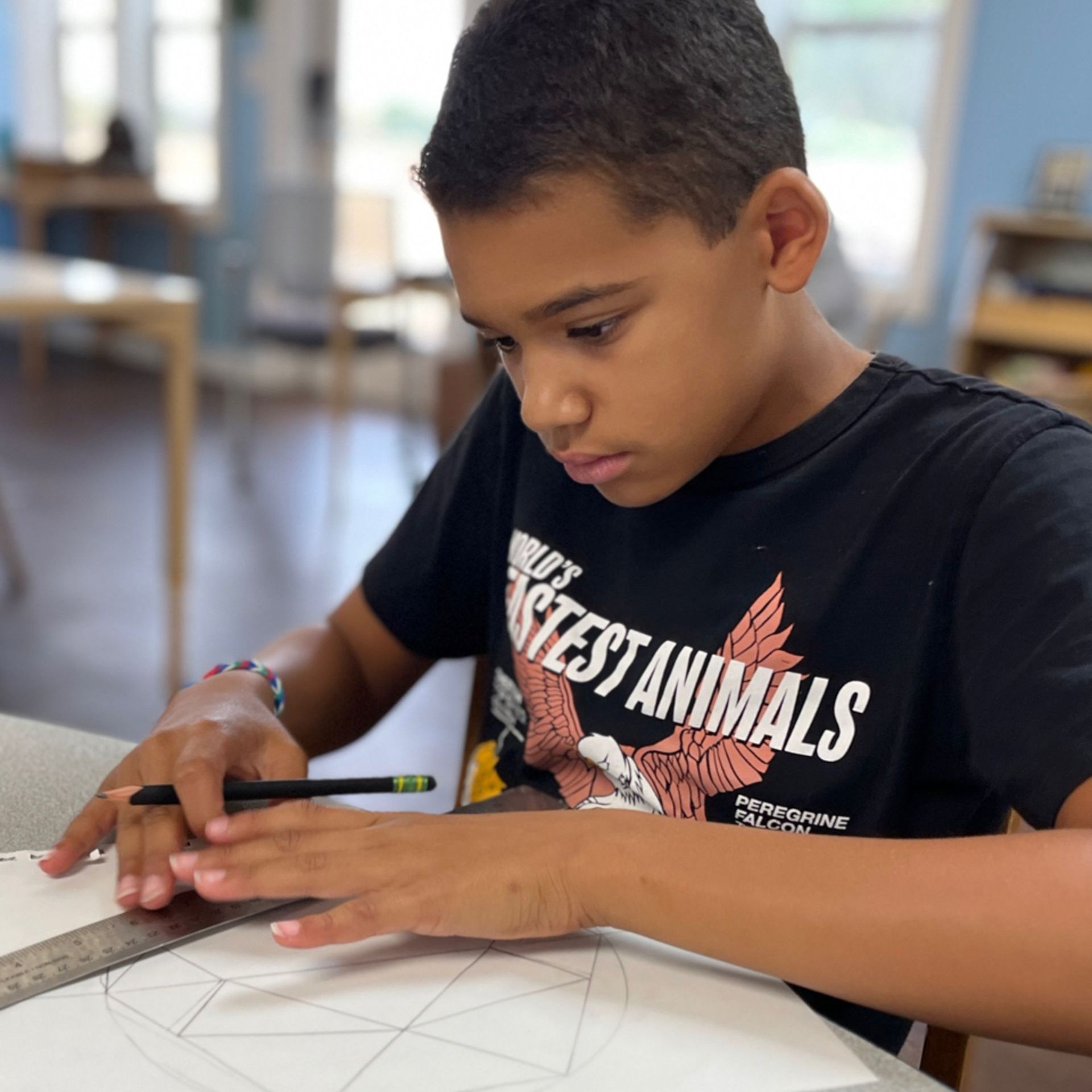
Whole Child Education


Social, emotional, and physical development is emphasized along with academic skills.

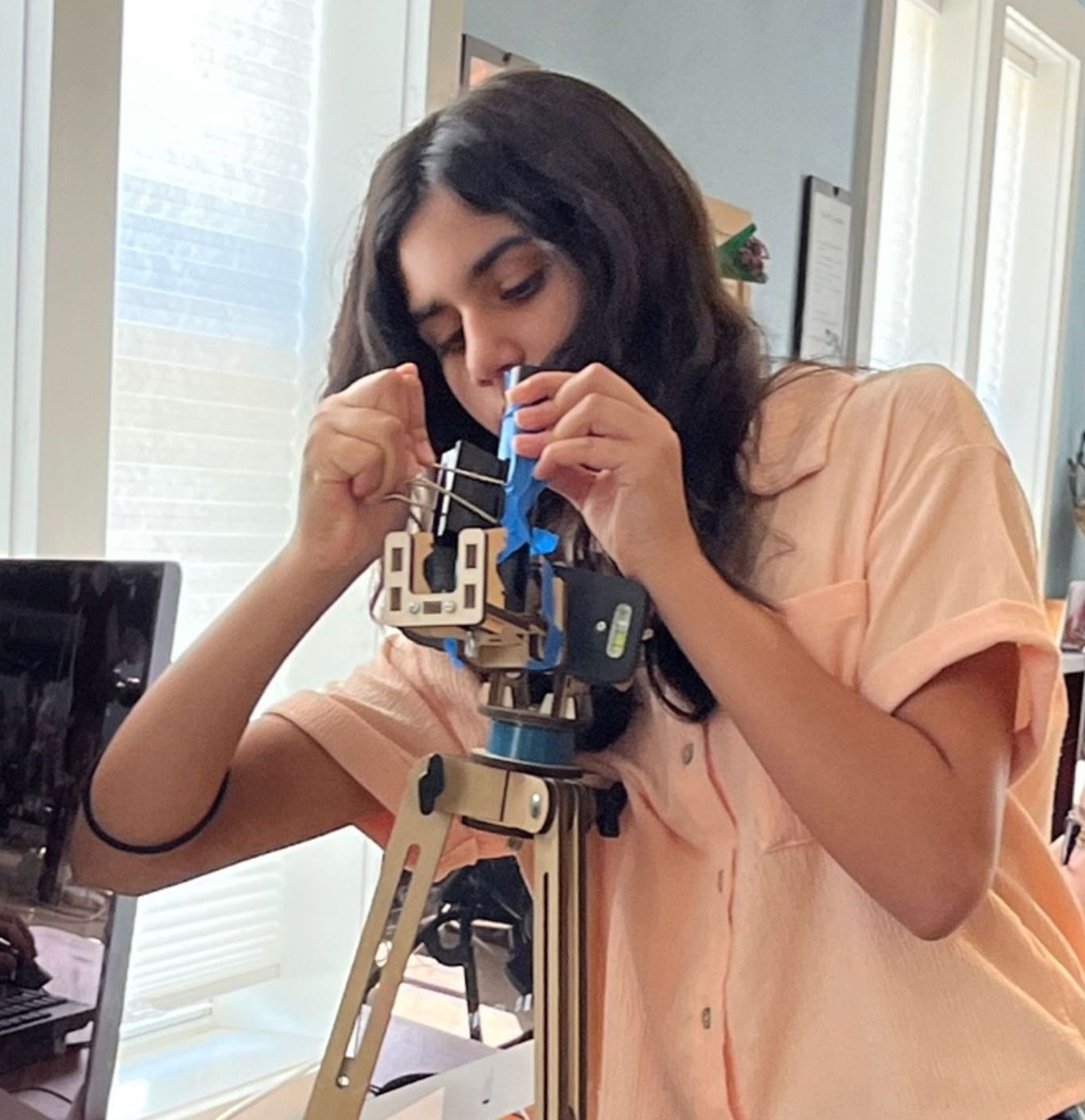
Empowered by Choice


Freedom to move and choose activities fosters independence and self-confidence.

Supported by Research


Current neuroscience and human development research consistently backs Montessori.

Our Programs
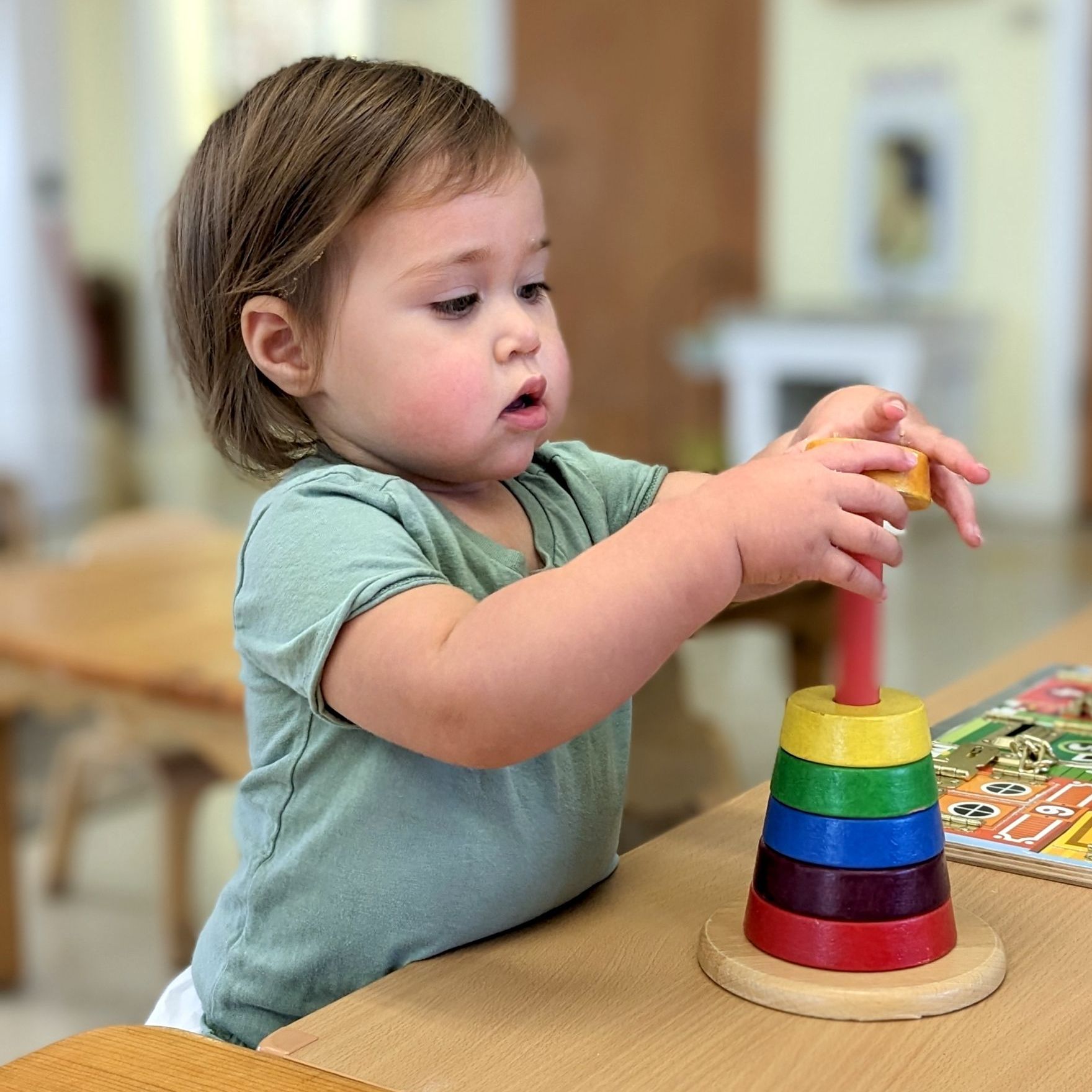
We are very grateful for the amazing foundation both of our children have gotten at CMS; Our daughter is truly a world citizen in her actions and intentions, and our son surprises us often with his sense of responsibility and care for the people and world around him.


 — Julia (Children's House parent)
Weekly Newsletters

January 27, 2026
Kindness Shines All Around Despite of a late start, the Kindness Week is under way and our students don't shy away from helping and caring for others. We are so grateful for being a part of their education for life and proud of them for carrying kindness in their hearts everyday! Not only is kindness beneficial to our well - being and helps build relationships, it's also contagious and inspires others to share goodness. Our students are full of goodness and from modeling respect, giving lessons to classmates, caring for their environments to welcoming each other with a smile or conversation, sharing a presentation about something they have learnt or are passionate about, using grace and courtesy at school and at home. We need positivity in our world and the students are certainly bringing it all around our campus.
January 20, 2026
Our history is full of heroes who spent their lives educating and modeling justice, peace and equal rights for all. They are our inspiration and bring hope that the children of today will change our world in the near future into a better place. “Sooner or later all the people of the world will have to discover a way to live together in peace, and thereby transform this pending cosmic elegy into a creative psalm of brotherhood.” Martin Luther King Jr. was a person who led peaceful protests to stop discrimination based on the skin color. We teach our students about being equal, having the same rights as humans for voting, labor, access to public services like education. Dr. King received a well deserved Nobel Peace Price. "An eye for an eye only ends up making the whole world blind." Mahatma Gandhi was another peaceful activist for equal civil rights as well as leader of bringing India to the independence from Britain. He believed that people don't need to be divided because of their religious beliefs, rather there should be a freedom and tolerance toward various religious systems. When we talk to our elementary age students about fundamental human needs, we characterize material and spiritual needs. Religion, vanity and art belong to the spiritual category which is such important part of humans. "Being of service is not enough. We must walk the talk, live the talk, be the talk." Cesar Chavez was a civil right and labor leader for farm workers. Because of him establishing a union, the workers had gained safer work conditions, benefits like health insurance and better earnings. Chavez increased awareness among the farmers about being treated with respect, having dignity and standing up for their rights. Our students receive respect, are expected to show respect to others so we can function as a community with freedoms and responsibilities. "One child, one teacher, one book, and one pen can change the world." Malala Yousafzai is an activist for woman and children education who received a Nobel Peace Prize at 17 years of age. Malala is an inspiration for us, educators, because we know that our students can achieve whatever they put their minds into and an example for all our youth to stand up for what's important to them. "We shall walk together on this path of life, for all things are a part of the universe and are connected with each other to form one whole unity." Maria Montessori believed in educating children about living in a community where everyone practices self - control, respect, empathy, harmony and peaceful conflict resolution. Through the prepared environment, modeling and teaching grace and courtesy, mixed ages, supporting the growth of the moral compass in the elementary age children, care and work in nature, the concept of peace becomes a part of the child. Our Annual Kindness Week is January 26 - 30. Children and guides are planning for activities with their classmates, other classroom communities, their own families and the larger community outside of CMS. The guides will share more information with you in the Friday email.
January 13, 2026
“Children are so responsive that if you treat your child with kindness and consideration he too will be kind. If you let him pursue his own little affairs and interests undisturbed, you will find that he will be less inclined to disturb yours. Try to interfere with him as little as possible, there is no need to worry about him growing up ignorant or ill-mannered. Instead he will be observant and intelligent, independent and persevering, and these qualities lie at the root of personality." - Maria Montessori Speaks to Parents We can all agree that kindness is an essential value in life. When children practice kindness from an early age, it helps strengthen their emotional intelligence, build self-confidence, and develop problem solving skills. Kindness also supports healthy relationships and helps children become more resilient as they grow. These early experiences lay the foundation for how they connect with others and navigate life’s challenges. In Montessori education, kindness is nurtured within a mixed-age community where children learn to contribute to their environment, resolve conflicts collaboratively, and support one another. Adults model respectful communication and care for others, including animals and plants, helping to foster a culture of peace and empathy. We teach children to look beyond themselves, beyond the boundaries of our country and culture to respect and value people of all races and religions. Children are guided to use positive language, learning that if they do not have something kind to say, it is best to pause and keep those thoughts to themselves. Respect is a key component of our Montessori classroom. We regularly discuss respect for adults, classmates, classroom materials, and for oneself. Guides and assistants support children in developing these skills through clear communication, the use of “I” messages, positive modeling, and empathy. Consistent classroom management is essential in a Montessori environment. Children are taught not to shout across the room, but instead to walk over and speak quietly to one another. During work time, respect also means using materials as they have been shown and allowing each child the uninterrupted time they need to focus, concentrate, and complete their chosen work. Our Annual Kindness Week is January 26 - 30. Children and guides are planning for activities with their classmates, other classroom communities, their own families and larger community outside of CMS. The guides will share more information with you in the Friday email.