
G - GROWTH MINDSET Helps children understand that their abilities can improve with effort, persistence, and practice. In our classrooms, we support this by giving children choices in their learning, encouraging them to learn from mistakes, focusing on the process rather than the final product, and helping them reflect on their progress. Having a growth mindset teaches children to be resilient, solve problems, stay motivated, and believe that hard work leads to success. When a child feels frustrated and says, “I can’t do this,” we gently remind them, “You can’t do it yet,” “You should be proud of your effort,” or “That’s a creative way to solve that problem! ”A growth mindset is not only important for children also adults need it to continue learning, improving, and overcoming life’s challenges.
R - RESPECT We teach respect by modeling the behavior we want children to learn and by giving lessons in grace and courtesy. This helps children learn to respect themselves, others, and their environment. When we honor each child’s individuality and abilities, they begin to develop self-respect which is an essential foundation for confidence and pride. Adults show respect for a child’s concentration by observing quietly without interrupting. When a child makes a mistake, we often give them the opportunity to figure out the solution on their own instead of correcting them right away. Rather than punishing negative behavior, we gently redirect it. For example, if a child hits, the adult might say, “I can’t let you hurt your friend. I’m going to sit here between you,” while calmly setting a clear boundary. Respect begins with simple actions like offering a toddler your hand to guide them and grows as we continue to give children meaningful choices throughout their lives.
A - ADAPTATION Is a lifelong process in which people learn from and respond to their environment. For children, this includes both the unconscious way they absorb the language, culture, and routines around them, and the conscious skills they develop through independence, work, and social interactions. In our approach, we also adapt the classroom environment and materials to meet each child’s individual needs. Young children have what Dr. Montessori called the absorbent mind , a remarkable ability to naturally take in everything from their surroundings. Because of this, the structure and tone of the classroom matter. Freedom within limits helps children understand expectations and follow community rules so everyone can feel happy, productive, and a true sense of belonging. Adjusting to how things work in a Montessori classroom takes time. Adults guide children patiently, with repetition and gentle boundaries, sometimes limiting freedoms until the child is ready to handle them independently. Instead of saying “Don’t run,” we say, “Walk, please.” Instead of “Don’t drop it!” we say, “I know you can carry the tray like this.” These positive, encouraging statements help children build confidence and take ownership of their actions.
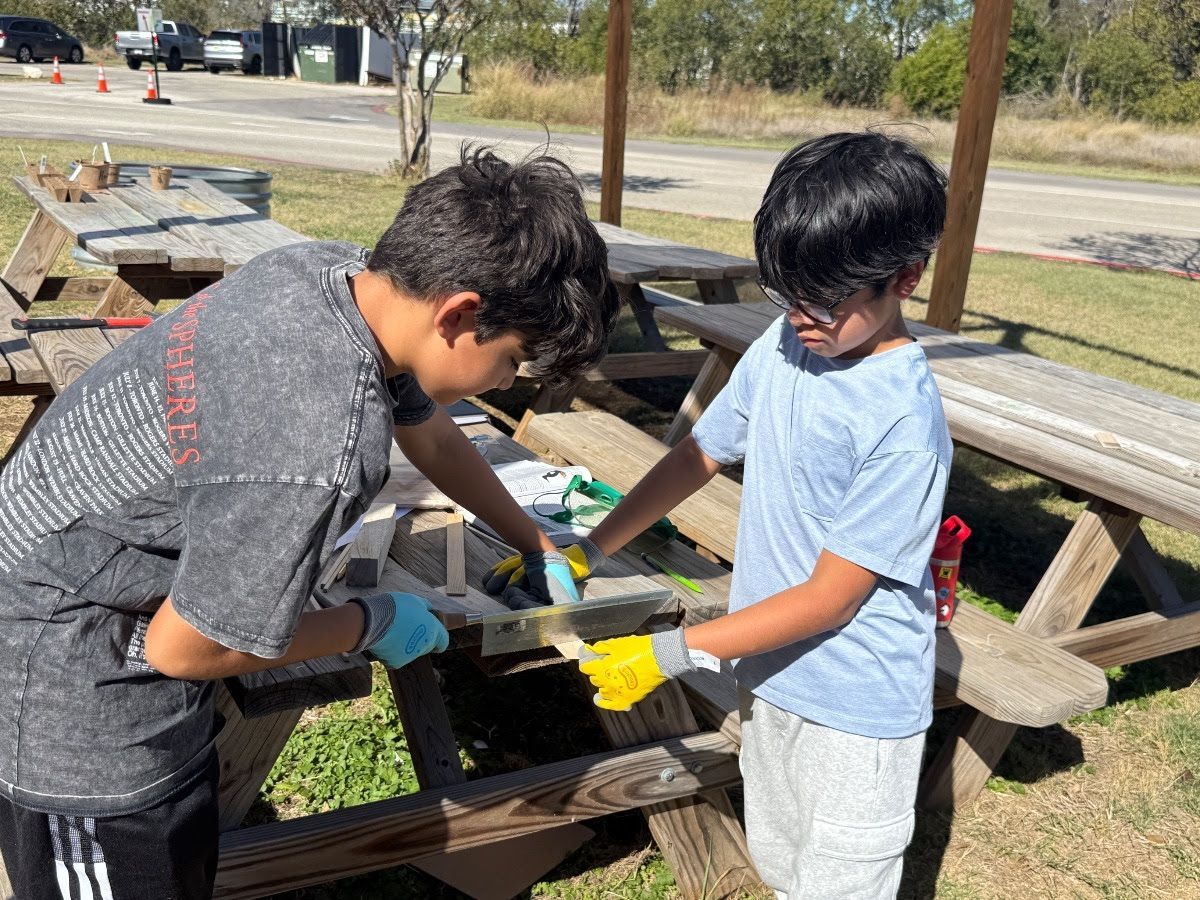
T - TEAM WORK Develops naturally in a Montessori environment. Mixed-age classrooms allow older children to mentor younger ones, and collaborative projects give students opportunities to share responsibilities and work toward common goals. Children also practice teamwork during daily practical life activities, caring for the classroom environment, participating in group games, and learning conflict resolution skills. These experiences help build empathy, cooperation, and a strong sense of community. The adults in the classroom, both the guide and the assistant, model teamwork by staying consistent, communicating clearly, and supporting each other. When a child needs extra support, collaboration becomes even more important. School staff, parents, and outside professionals may all work together to ensure the child’s success. True teamwork involves dividing tasks, communicating effectively, meeting timelines, and using each person’s strengths for the benefit of the group. Children in a Montessori environment practice these skills every day, helping them grow into confident leaders who can work well with others while staying flexible.
I - INCLUSION In an inclusive community, every child, regardless of background, ability, or identity, feels safe, valued, and respected. Inclusion means creating an environment without barriers, honoring each child’s unique strengths and cultural heritage, and adapting learning to meet individual needs. What makes our CMS community truly special is the diversity of children and families who come together in one place. By embracing the many cultures represented in our school and their aspects such as different languages, beliefs, and customs, children build friendships, learn from one another, and gain unforgettable experiences. These daily interactions foster understanding, acceptance, and a deep sense of belonging for everyone.
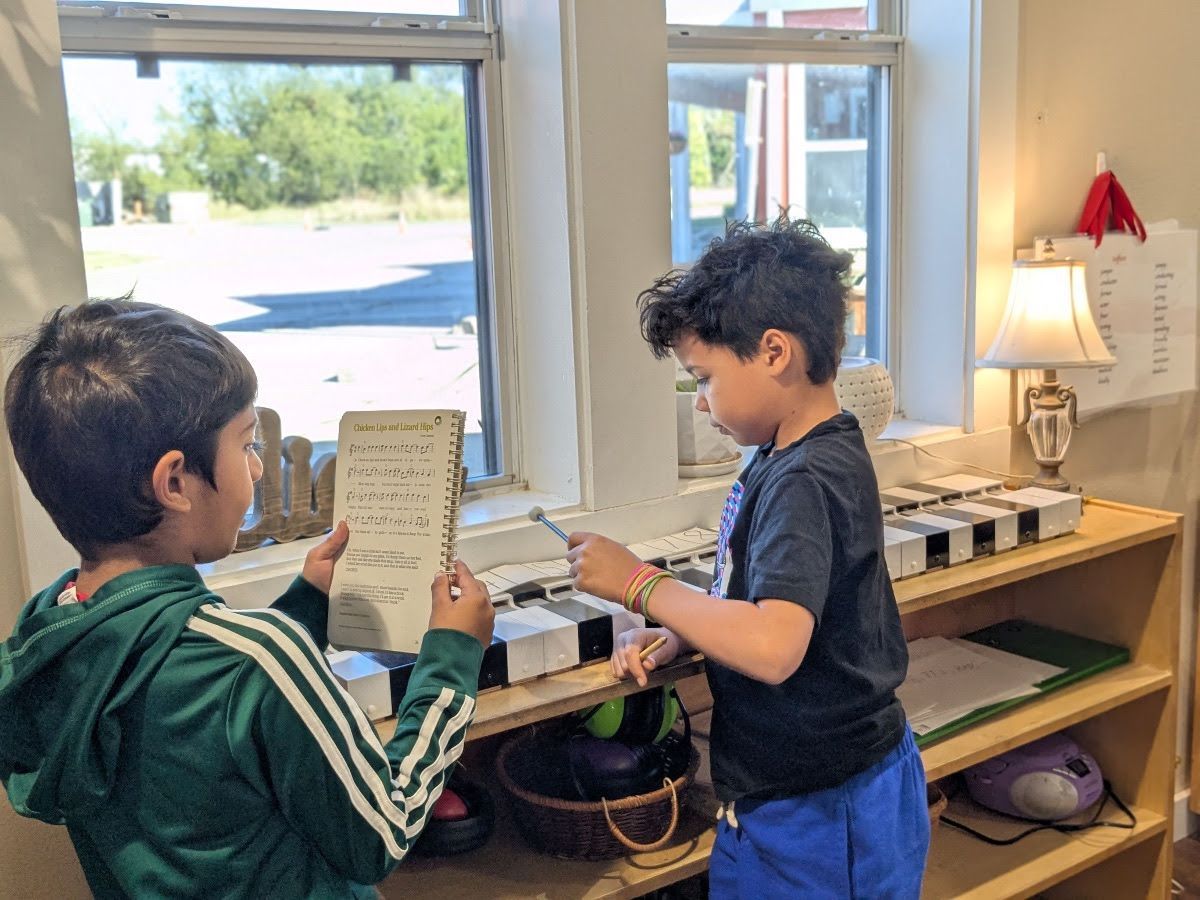
T - TEACHING ONE ANOTHER In Montessori classrooms, children develop empathy, patience, and respect for others’ work simply by learning together. Because our classrooms include a mix of ages, older children naturally become mentors, helping guide younger classmates. Younger children learn by watching and imitating older peers, while older children strengthen their own understanding by teaching what they know. This dynamic creates a warm, supportive community where everyone grows together. Even in the toddler environment you can hear phrases: “Help me, please” between the classmates while in Children House: “Do you need help?” becomes a frequent offer among the peers. In the elementary environments teaching one another inspires the children to explore their interests further and creates common goals which might begin a business project or support the needs of larger community outside the classroom and solve problems in innovative ways.
U - UNIVERSE Dr. Montessori believed that Cosmic Education was the ideal way to introduce children to the wonders of the universe and help them understand how everything is connected. She recognized that elementary aged children are naturally curious, imaginative, and eager to explore big ideas thus making this stage of development perfect for discovering these relationships and seeing their place in the world. In her book, “To Educate the Human Potential”, Dr. Montessori says, ". . . let us give [the child] a vision of the whole universe. The universe is an imposing reality, and an answer to all questions . . . all things are part of the universe, and are connected to each other to form one whole unity."
D - DIVERSITY We promote diversity by offering a curriculum that includes multicultural materials, activities, and lessons focused on peace, respect, and empathy for people around the world. This approach helps children develop a strong sense of community both within the classroom and in the larger global community. A diverse learning environment exposes children to different cultures, perspectives, and experiences. This enriches their critical thinking, encourages them to see the world through multiple viewpoints, and helps them develop an understanding of fairness, equity, and social responsibility.
E - EMPATHY Children who develop empathy are better at making friends, working with others, and resolving conflicts peacefully. Learning to “put themselves in someone else’s shoes” helps them understand how others might feel and respond thoughtfully. Imagine a child noticing a friend is sad and offering a kind word or sharing a toy, that’s empathy in action which we encourage in daily interactions . Building emotional intelligence, the ability to understand and manage both their own emotions and the emotions of others, equips children with a key skill for navigating life successfully. Handling challenges, building strong relationships, and growing into thoughtful, caring adults begins early a through the guidance of loving adults.
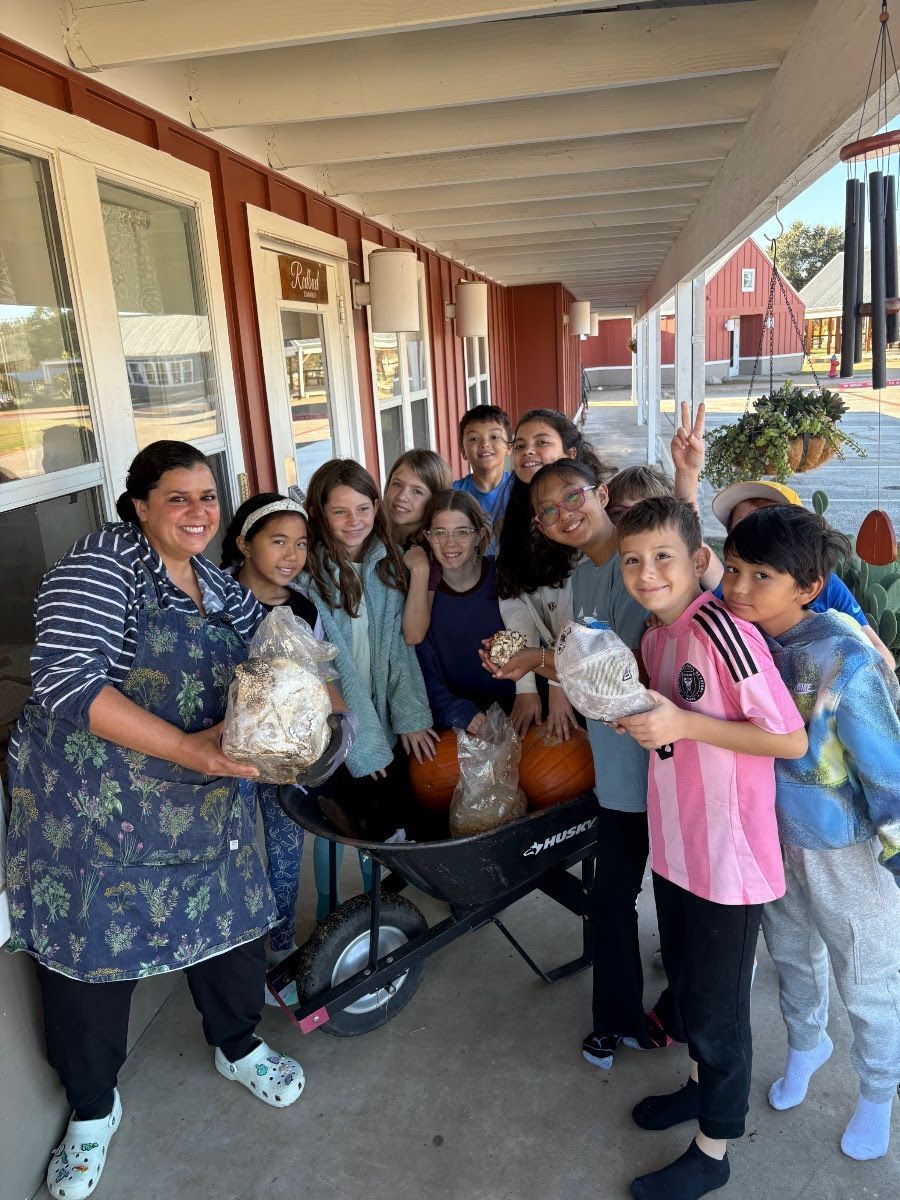
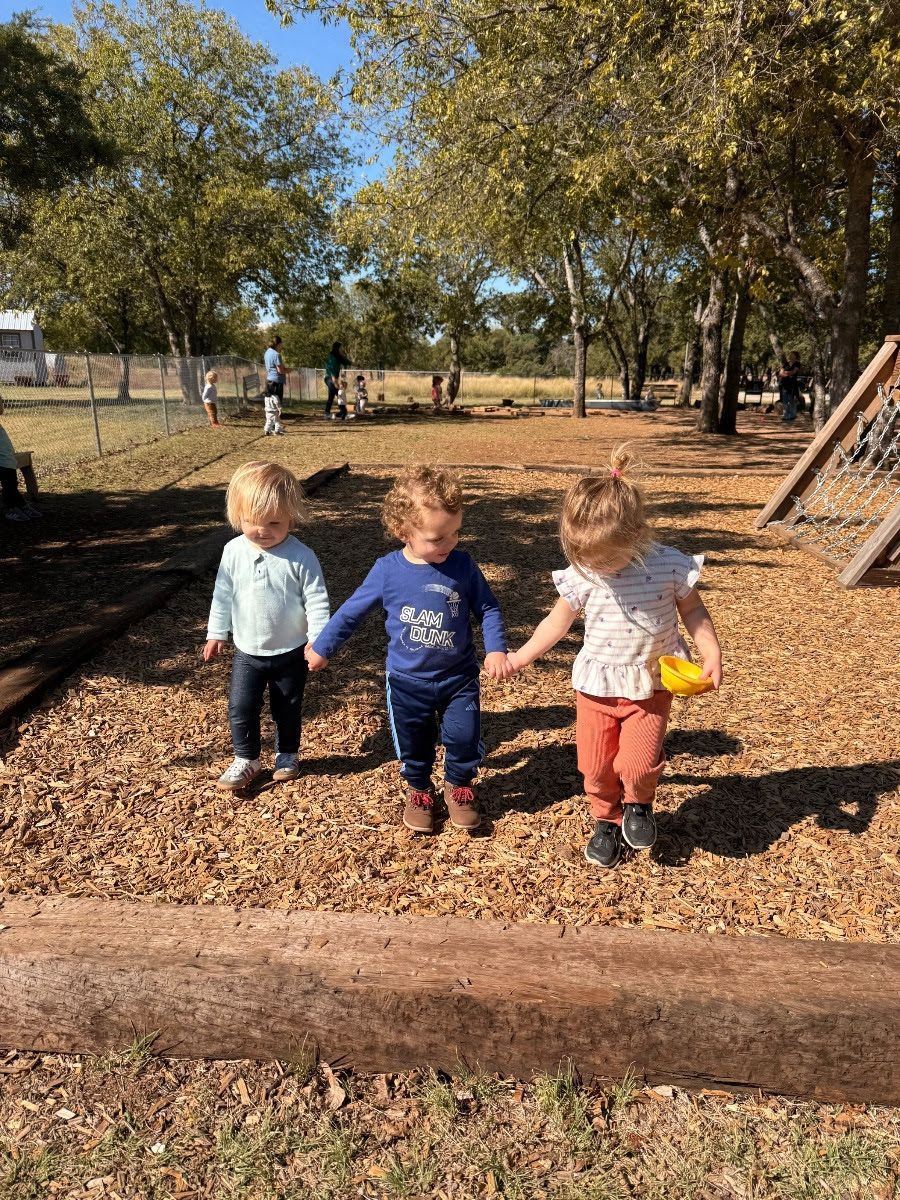
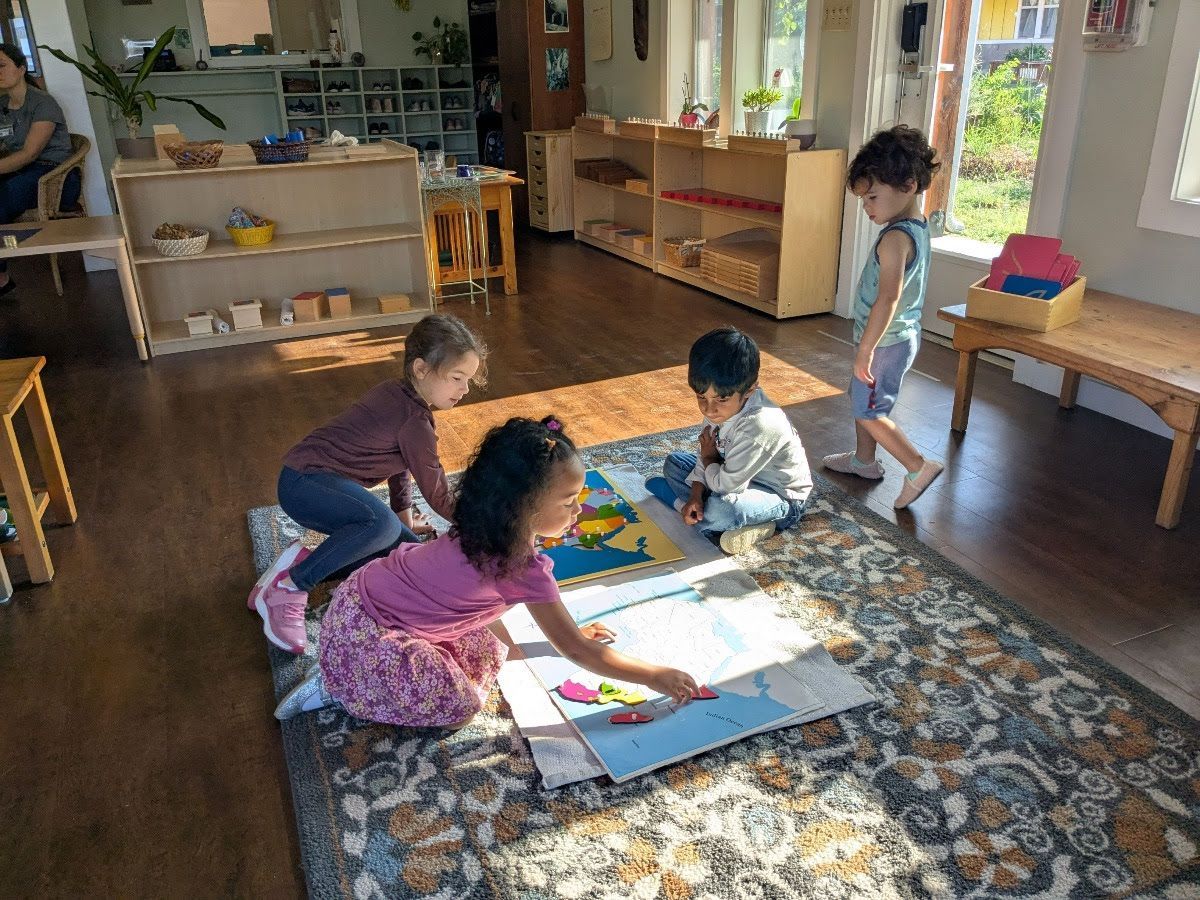
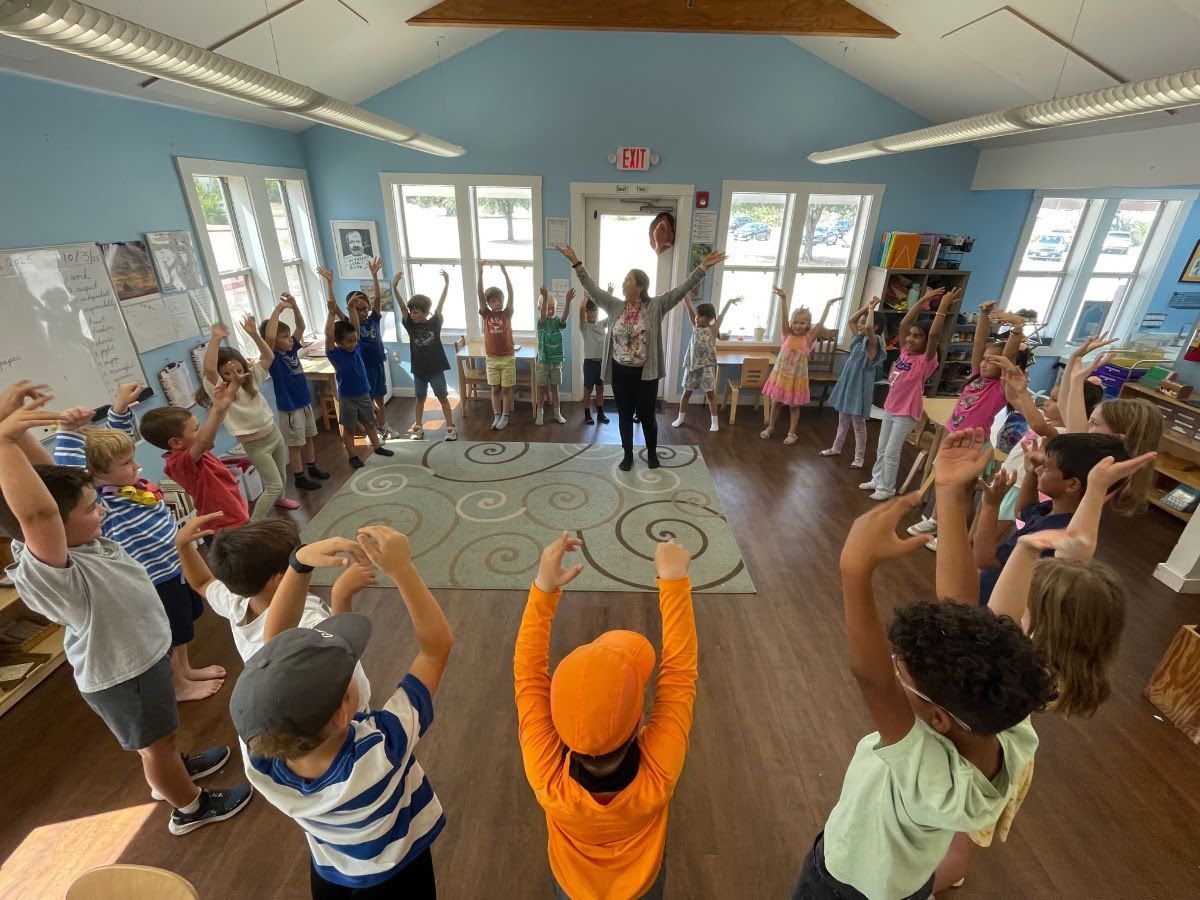
Staff Highlights
This year we will be introducing you to a different staff member each week. We look forward to sharing things like why they love CMS, how they were introduced to the Montessori philosophy, and what they enjoy doing when they are not at school.

Denise Mazula
Children's House Assistant
(at CMS since 2007)
Q) How long have you worked at CMS?
A) I’ve worked at CMS for 18 years. When I first started I worked in the nap room and after care and I loved it and for the past 17 years I’ve worked as a Children’s House assistant with Cindy Ma and I love it so very much. The children I really enjoy.
Q) How did you come to discover Montessori and how has it impacted your life?
A) I used to work at daycare centers and applied to work at the Montessori school and had no idea how Montessori was. I was really surprised about the Montessori method of learning. I believe so much in Montessori and it has impacted my life. As a parent I was amazed with the Montessori method.
Q) What is something you would recommend for parents?
A) For parents I would really like to stress about how important it is to let your child do things for themselves. I had no idea that a toddler was so capable of doing so much and they really need to be independent. Jut like Dr. Maria Montessori advocated for the children, “Let me do it by myself”. For example putting on their shoes, dressing themselves, helping in the house, sweeping, cleaning, etc. Children are so smart and capable and love to help.
Q) What do you do for fun outside of work?
A) Outside of work I am busy helping my mom and taking her to appointments, spending time with my grand baby, seeing my friends, going places with my husband and getting to see my own children every week. Then if I have time I enjoy getting my nails done.
CMS CALENDAR REMINDERS
- November 24-28 - Closed for Thanksgiving Break
- December 7 - All Ages Playdate CMS Playground 10-12
Subscribe to our CMS Calendar: CLICK HERE
The mission of Community Montessori School is to provide authentic Montessori education
in a nature-rich environment that cultivates collaboration, curiosity,
love of learning, and respect for oneself, others, and the world.