
Welcome back to the Spring Semester and to 2026! We are looking forward to our time with the children and all their families!
Let's talk about obedience. Dr. Montessori studied how children develop self-control and described this process as stages of obedience. Obedience is often thought of as children following rules set by parents or teachers in order to earn rewards or avoid consequences. Self-control, however, comes from within, it is a child’s internal motivation to do the right thing and meet expectations. In Montessori education, children begin by following rules and guidance from adults, and over time this naturally develops into self-control as they grow and mature.
The stages of obedience are closely connected to a child’s age and development. For children under three, their sense of will is just beginning to emerge. At this stage, they are naturally drawn to what interests them in the environment and often act on instinct and impulse. This is why it is essential for adults to set clear and consistent boundaries, gently redirect unwanted behaviors toward appropriate ones, and model the language and actions they want children to learn. In a Montessori classroom, this stage is further supported through a carefully prepared and orderly environment. Children are offered practical life activities that are meaningful and purposeful, helping them develop independence and learn appropriate ways to engage with their surroundings.
The second stage of obedience typically begins after the age of three and can last for several years as a child’s will continues to develop. During this time, children become more engaged with their surroundings and increasingly interested in social interactions. The adult’s role is to provide meaningful interactions, offer plenty of opportunities for practice and repetition of lessons, and support the child in developing deeper concentration and enjoyment in their work. Guidance through Grace and Courtesy lessons helps children learn respectful, kind, and appropriate ways to interact with others.
The final stage is when true self-discipline can be seen. At this level, children act from internal motivation. What they do and how they behave brings them a sense of fulfillment, happiness, and purpose. Children naturally enjoy being helpful, staying engaged, and feeling that they belong. Having specific responsibilities allows them to contribute meaningfully to their family, group, or community. At this stage, adults continue to play an important role by guiding children to make thoughtful choices and helping them understand that self-discipline is a lifelong skill, one that adults also continue to practice and develop.
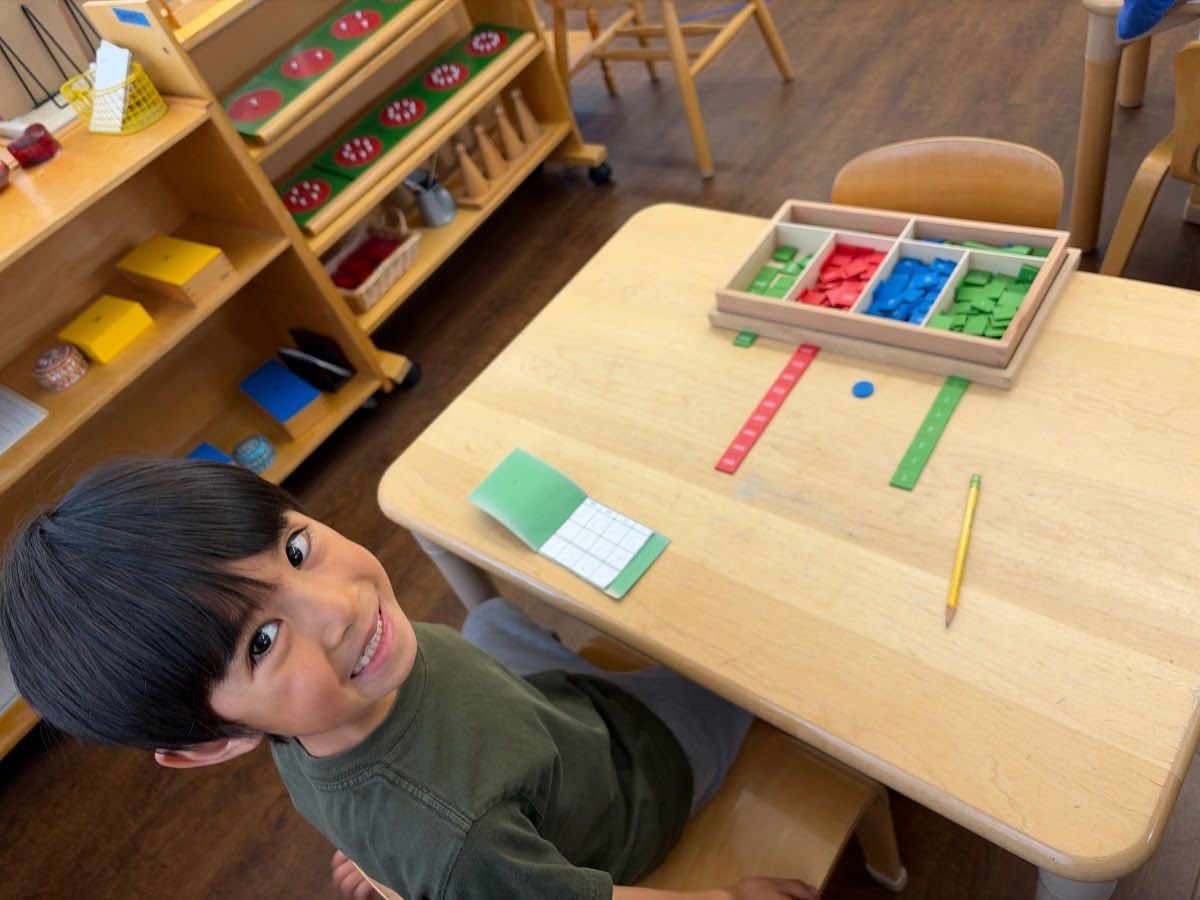
Today is the 119th anniversary of the first Casa Dei Bambini opened in Italy. Some ways of celebrating for our students was using the stamp game to figure out what year it was when it opened. See the pictures below!
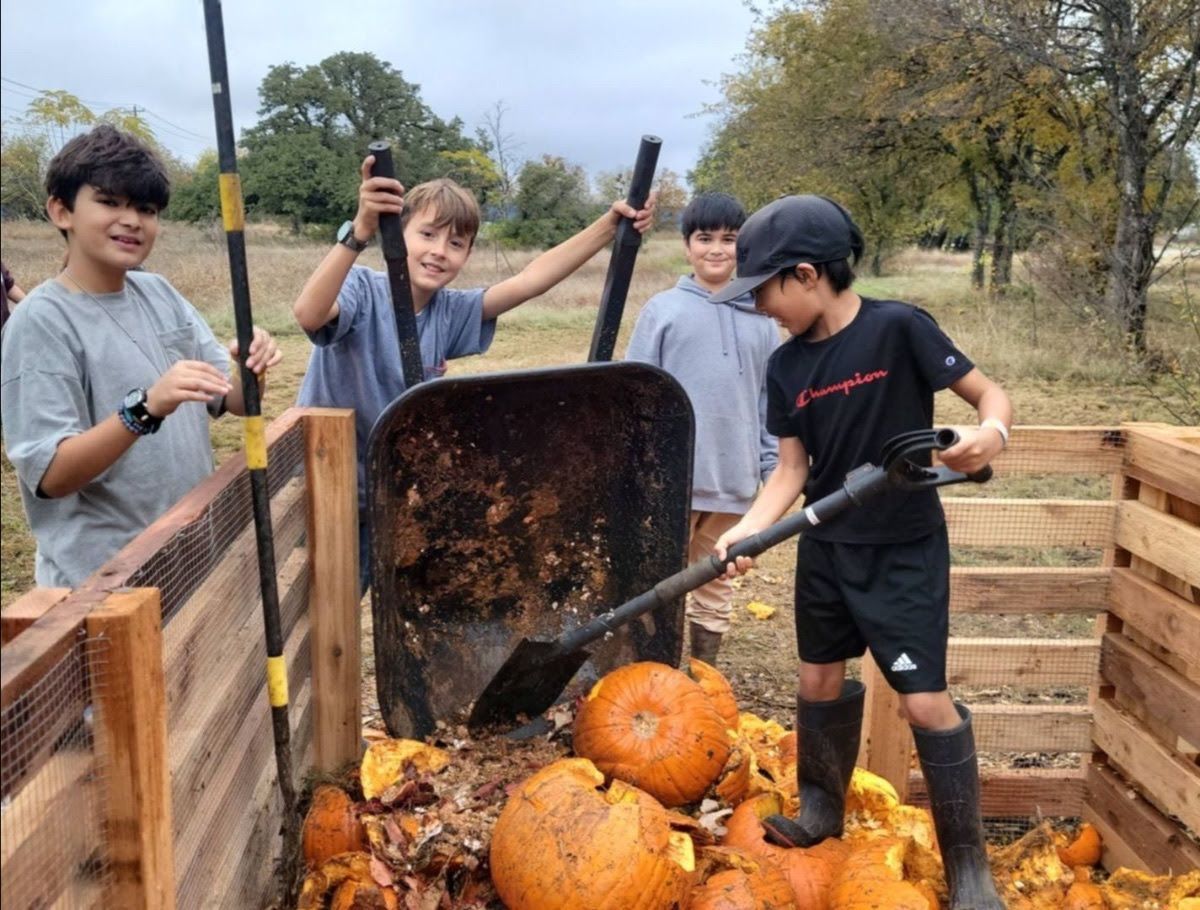
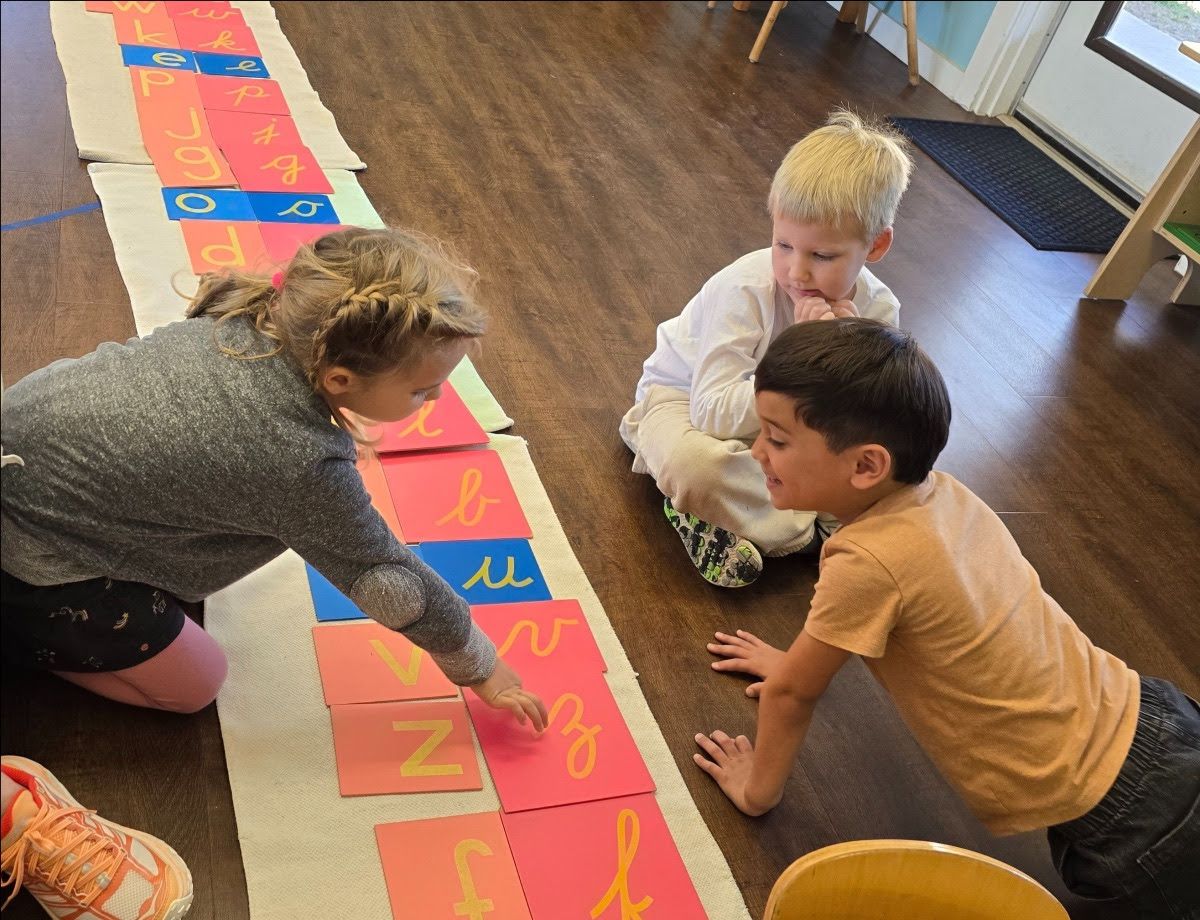
The Town Hall with our permanent Executive Director, Nicole Scofield, is on January 21 at 6pm at the Georgetown Library. Nikki's first day at CMS is January 14. We hope to see you there!
Staff Highlights
This year we will be introducing you to a different staff member each week. We look forward to sharing things like why they love CMS, how they were introduced to the Montessori philosophy, and what they enjoy doing when they are not at school.

Susan Salazar
Children's House
Aftercare Assistant
(at CMS since 2024)
Q) How long have you worked at CMS?
A) I’ve been with CMS for a little over a year already and my role is supporting the Children's House students during nap and aftercare.
Q) How did you come to discover Montessori and how has it impacted your life?
A) I heard of Montessori before I came to CMS, but didn’t experience it till now. It has changed the way I understand the development and and characteristic for learning of young children.
Q) What is something you would recommend for parents?
A) I would recommend for parents something that works for me which is stay active, even if it’s just 15 minutes a day. It makes a great difference, staying healthy means living longer life.
Q) What do you do for fun outside of work?
A) Something I do outside of work is go to the, gym stay active, go for walks, read, shop, I love organizing and of course my family!
CMS CALENDAR REMINDERS
- January 19 - School Closed
- January 21 - Town Hall
- January 26 - 30 Kindness Week Challenge
Subscribe to our CMS Calendar: CLICK HERE
The mission of Community Montessori School is to provide authentic Montessori education
in a nature-rich environment that cultivates collaboration, curiosity,
love of learning, and respect for oneself, others, and the world.